Mystic Monk Coffee: Roasted by Carmelite monks in Wyoming, Mystic Monk Coffee offers a variety of blends, including the popular Midnight Vigils Blend.
Catholic Coffee: This brand offers coffees named after saints, such as St. Michael Dark Roast and St. Thomas Aquinas Honey Blend, combining faith and flavor. aleteia.org
Karol Coffee: Specializing in small batch coffee roasting. Coffee is roasted in Northeast Minneapolis and named as a tribute to the life and work of Karol Wojtyla (Pope John Paul II),
Trappist Preserves: Produced by the Trappist monks of Saint Joseph’s Abbey, these preserves come in flavors like blackberry, peach, and elderberry. cedarhouse.co+1inhisname.com+1
Trappistine Quality Candy: Made by the nuns of Mount St. Mary’s Abbey, offerings include almond brittle and butter nut munch. cedarhouse.co
Monastery Creamed Honey: Crafted by the Cistercian monks of Holy Cross Abbey, available in natural and cinnamon flavors. cedarhouse.co
Monk Sauce: A smoked habanero hot sauce from the Benedictine monks of Subiaco Abbey. cedarhouse.co
🥩 Catholic-Owned Meat Providers
Holy Cow Farm Fresh: Offers 100% grass-fed beef with options like half-beef shares, supporting sustainable farming practices.
Seven Sons Farm: Provides grass-fed and finished beef packages, emphasizing ethical animal husbandry.
📚 Catholic Culinary Resources
Cooking with the Saints: A cookbook featuring recipes tied to various saints and feast days, blending culinary arts with spiritual reflection.
If culture is downstream from economics, then our everyday financial choices—however small—are shaping the world our families grow up in. The brands we support, the food we buy, the services we use, and even how we choose to spend or save—it all adds up. Not just in dollars, but in values.
The Economics section of Sanctifying Modernity exists for a simple but radical purpose: To help Catholic families spend intentionally—so they can live faithfully, flourish financially, and help renew the culture.
We’re not here to moralize every purchase or make you feel guilty about the occasional Amazon order. But we are here to pause and ask: What if we saw our wallets as tools for evangelization, formation, and communion? What if our purchases could directly support Catholic businesses, reinforce a culture of beauty and virtue, and help build a society more reflective of the Gospel?
What You Can Expect
This section will offer practical recommendations across three tiers of stewardship:
1. Supporting Catholic-Owned or Mission-Driven Businesses
Whenever possible, we want to keep dollars circulating within the Catholic community. That might look like:
Ordering Mystic Monk Coffee or wine from Catholic vineyards
Buying religious gifts from small Catholic artisans on Etsy
Hiring Catholic tradespeople or professionals when available
Using Catholic-owned investment platforms or homeschool curricula
2. Spending According to Catholic Social Teaching
Not every product will be Catholic in origin—but many companies and practices still embody values we uphold:
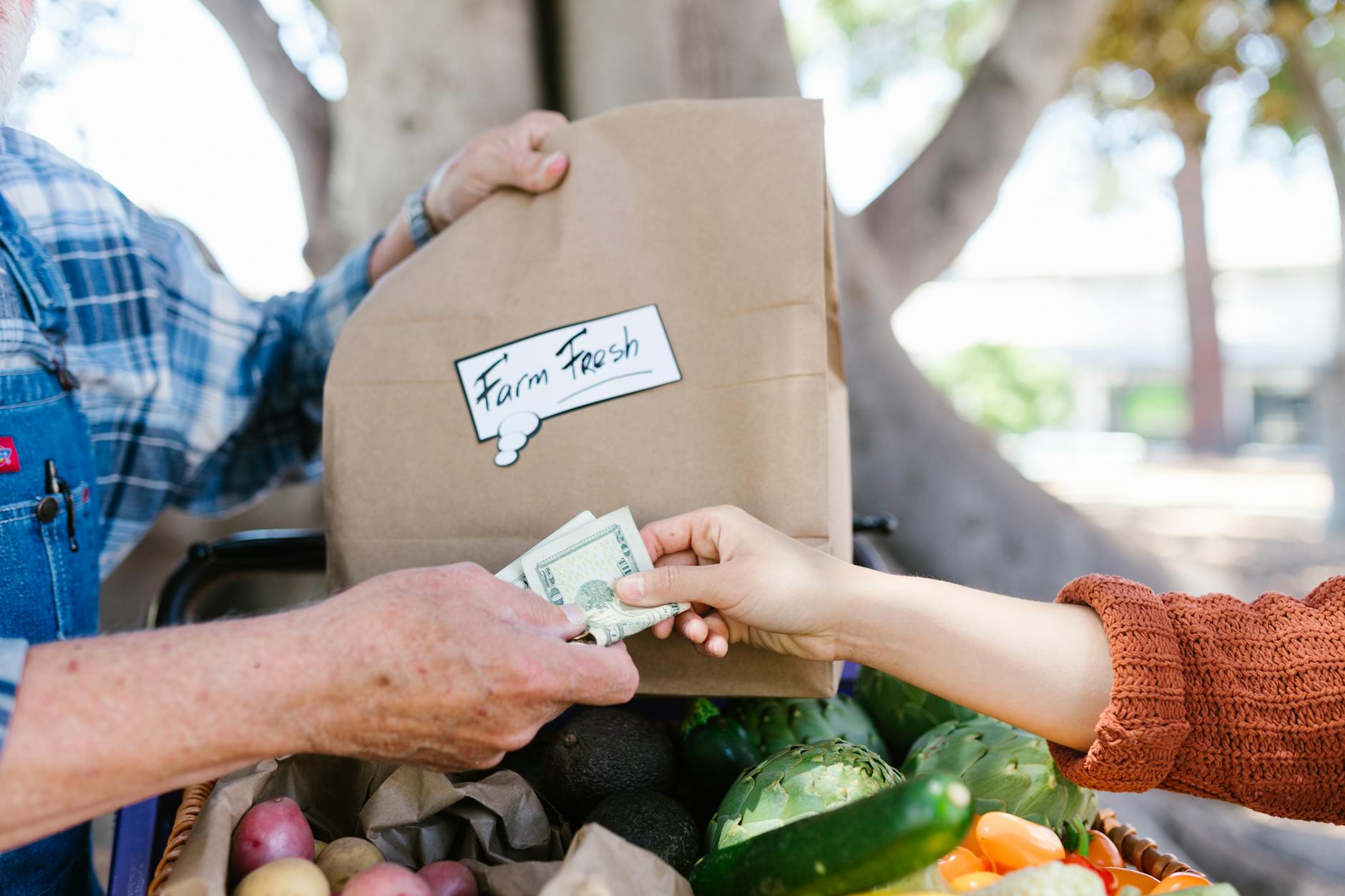
Purchasing a quarter cow from a local regenerative farm, supporting stewardship of creation and local economies
Choosing quality, long-lasting goods over disposable, trend-chasing consumerism
Supporting brands that prioritize fair labor, ethical sourcing, or cooperative models
Seeking out small family-owned businesses and worker cooperatives over monopolistic giants
3. Making or Repairing Things at Home
Sometimes the most faithful and frugal option is to slow down and do it yourself. We’ll explore:
Home-made cleaning products and bread baking
How simple gardening or food preservation can build resilience
Budgeting strategies that free families to donate more, invest in their parish or school, or spend more time together
Why This Matters
Catholic social teaching is not a theory. It’s a way of life that seeks the common good, respects the dignity of work, and reminds us that economics is at the service of the human person—not the other way around.
In a world obsessed with convenience, efficiency, and consumption, the Church offers something more: Localism over globalism. Quality over quantity. Community over isolation. Simplicity over clutter.
By redirecting how we spend, we not only bless our own families—we support Catholic entrepreneurs, build parallel economies, and begin to shape a culture that reflects Christ’s love and justice in practical ways.
This blog won’t just tell you what to think. It will offer concrete ideas and alternatives—some broad and philosophical, others highly specific—so you can choose the best options for your family’s stage, income, and location.
Together, let’s sanctify our spending, one choice at a time.
In a world spinning faster each day—where trends come and go, screens consume our attention, and our homes can feel more like rest stops than sanctuaries—many young Catholic families are yearning for something deeper, something truer. We sense that much of what modern life offers is spiritually thin, emotionally draining, and often at odds with the life God calls us to live. And yet, here we are, called to be saints not in some distant monastery, but in the middle of this exact moment in history.
That is why I’ve started this blog: Sanctifying Modernity.
This project is a small attempt to rediscover and rebuild Christian culture from the inside out—from the dinner table to the neighborhood, from our budgets to the books and music we bring into our homes. It’s for families like mine—and perhaps yours—who don’t want to run from the modern world, but also can’t pretend it’s leading us to lasting joy on its current path.
We don’t need to abandon society or retreat into gated spiritual communities. We simply need to begin again—intentionally, patiently, and with eyes fixed on Christ. We can start by reexamining how we live, what we celebrate, how we educate, how we decorate our homes, and where our money goes. We can root our everyday decisions in the rich and beautiful tradition of Catholic social teaching, which reminds us that every human person has dignity, that family is sacred, that community matters, and that our economic choices are moral ones.
What This Blog Will Explore
The goal here isn’t grand declarations or perfection. It’s small steps. It’s asking questions like:
How can we make our homes more peaceful, more prayerful, more beautiful?
What kind of art, music, and literature should we invite into our lives?
How can we support businesses and build economies that reflect Catholic values—ones that affirm the dignity of work, care for the poor, and honor creation?
What habits or technologies might be quietly pulling us away from God and family?
How can we teach our children (and ourselves) to love what is good, true, and beautiful?
This blog will bring together reflections on Catholic social teaching, ideas from economics and home life, highlights of sacred art and architecture, and even practical tools for budgeting, simplifying, and resisting consumerism—all aimed at cultivating a life more aligned with Christ.
Not the Benedict Option—But Something Real
This is not the Benedict Option in the strict sense. We’re not heading for the hills. Instead, it’s more like planting a garden in the city. It may be small. It may take time. But it’s real, and it can grow. Every small act—a rosary prayed, a Sunday meal shared, a local farm supported, a classical book read aloud to children—is a building block in renewing the culture from within.
There’s no perfect blueprint. But there is grace, tradition, and a Church that still shines with wisdom. My hope is that Sanctifying Modernity becomes a resource, a reflection space, and a small beacon for families trying to walk this path together.
If you’re yearning for a different way—a way that’s older than modernity, yet alive within it—you’re not alone. Let’s begin.
 Sanctifying Modernity